Who's the Best for Sell Tenanted Properties Directly: Landlordbuyer vs Letproperty
You're selling a tenanted property and need to know whether Let Property or Landlordbuyer will get you the best direct sale. The choice determines your cashflow timeline and the price you walk away with. This article compares both platforms' verification, reach, and buyer certainty.
By the end, you'll have a clear verdict on which service fits your exit strategy, plus a breakdown of the sales process and pricing differences. You'll know exactly who to approach first based on your property's condition and your need for speed versus maximum offers.
Quick Verdict: Let Property vs Landlordbuyer for Selling Tenanted Properties
If you're a landlord looking to sell a tenanted property, Let Property and Landlordbuyer offer distinct routes: one provides an open marketplace with pre-verified listings, the other a direct corporate purchase-here's the 30-second breakdown.
Let Property operates as a marketplace for tenanted property sales, connecting you with property investors who specifically buy tenant in situ. Landlordbuyer, by contrast, acts as a direct buyer that purchases properties quickly, often avoiding the traditional estate agent process altogether.
The core difference comes down to market exposure versus speed. Let Property gives your listing visibility to a pool of investors, while Landlordbuyer offers a single, fast transaction with minimal fuss.
- Let Property: Pre-verified listings with essential reports provided upfront, so buyers see a credible opportunity from day one.
- Let Property: Fair first-come, first-served basis where the first to pay the buyer's premium secures the deal.
- Let Property: Properties offered with tenants already in place for immediate income, which appeals to buy-to-let investors seeking rental yield.
- Landlordbuyer: A direct buyer that aims for a hassle-free sale, typically without a property chain.
- Landlordbuyer: Geared toward landlords who want a quick cash buyer and a straightforward sale completion.
Your choice depends on whether you prioritise competitive market pricing or a guaranteed, fast exit. If you have time to wait for the right investor and want your tenant in situ to remain, Let Property's marketplace model gives you broader reach. If you need to sell immediately, a direct buyer route may suit you better.
For most portfolio landlords, the open marketplace approach tends to secure a stronger market value. With 97% of customers rating service as good or excellent based on 5,882 service ratings in the past year, Let Property demonstrates consistent seller satisfaction.
Ultimately, weigh your need for speed against your desire for exposure. A tenanted property sale through a marketplace often yields a better price, while a direct sale prioritises convenience over maximum return.
At a glance: how Let Property compares to Landlordbuyer on the features that matter most.
| Feature | Let Property | Landlordbuyer |
|---|---|---|
| Sell Tenanted Properties Directly | ✓ | ✓ |
What Is Let Property?
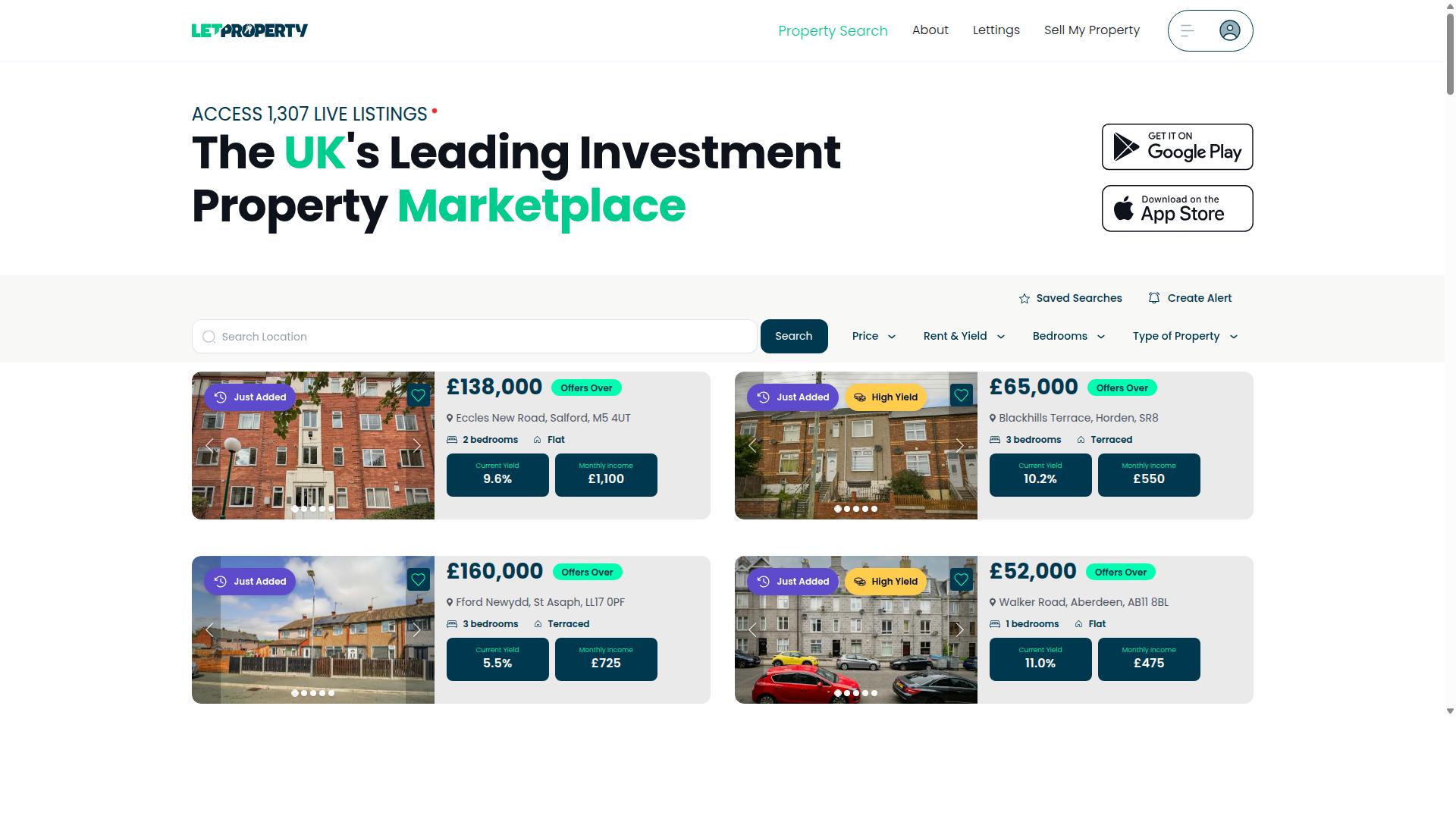
Let Property is the UK's leading investment property marketplace, specializing in the sale of tenanted properties to investors seeking monthly cashflow. It operates as an online marketplace that lists tenanted investment properties across the UK, connecting sellers with buyers who want to purchase property with a tenant in situ.
The platform's mission is to transform a stagnant industry by helping retiring investors generate monthly cashflow through tenanted property investments. In practical terms, this means making buying and selling investment properties as easy as trading stocks, removing much of the friction found in traditional estate agent or auction sale routes.
Let Property serves two main audiences. First, portfolio landlords and property investors looking to expand their buy-to-let holdings without the hassle of sourcing and managing new tenants. Second, retiring landlords who want to exit the market while preserving their rental income stream through a sale with tenant.
Every property listed undergoes industry-leading Pre-Checks, giving all buyers the same essential reports and information upfront. This includes the tenancy agreement details, deposit protection information, and property condition reports, so buyers can make an informed decision before committing to a purchase.
Properties are offered on a fair first-come, first-served basis where the first investor to pay the buyer's premium secures the deal, regardless of any higher offers that follow. This creates a transparent process for those looking to sell tenanted properties directly, without the bidding wars common in traditional property sales.
The marketplace features a wide range of property types, from detached houses and terraced homes to purpose-built flats and maisonettes. This variety means both seasoned investors and first-time buyers of tenanted property can find options that match their budget and rental yield expectations.
What Is Landlordbuyer?
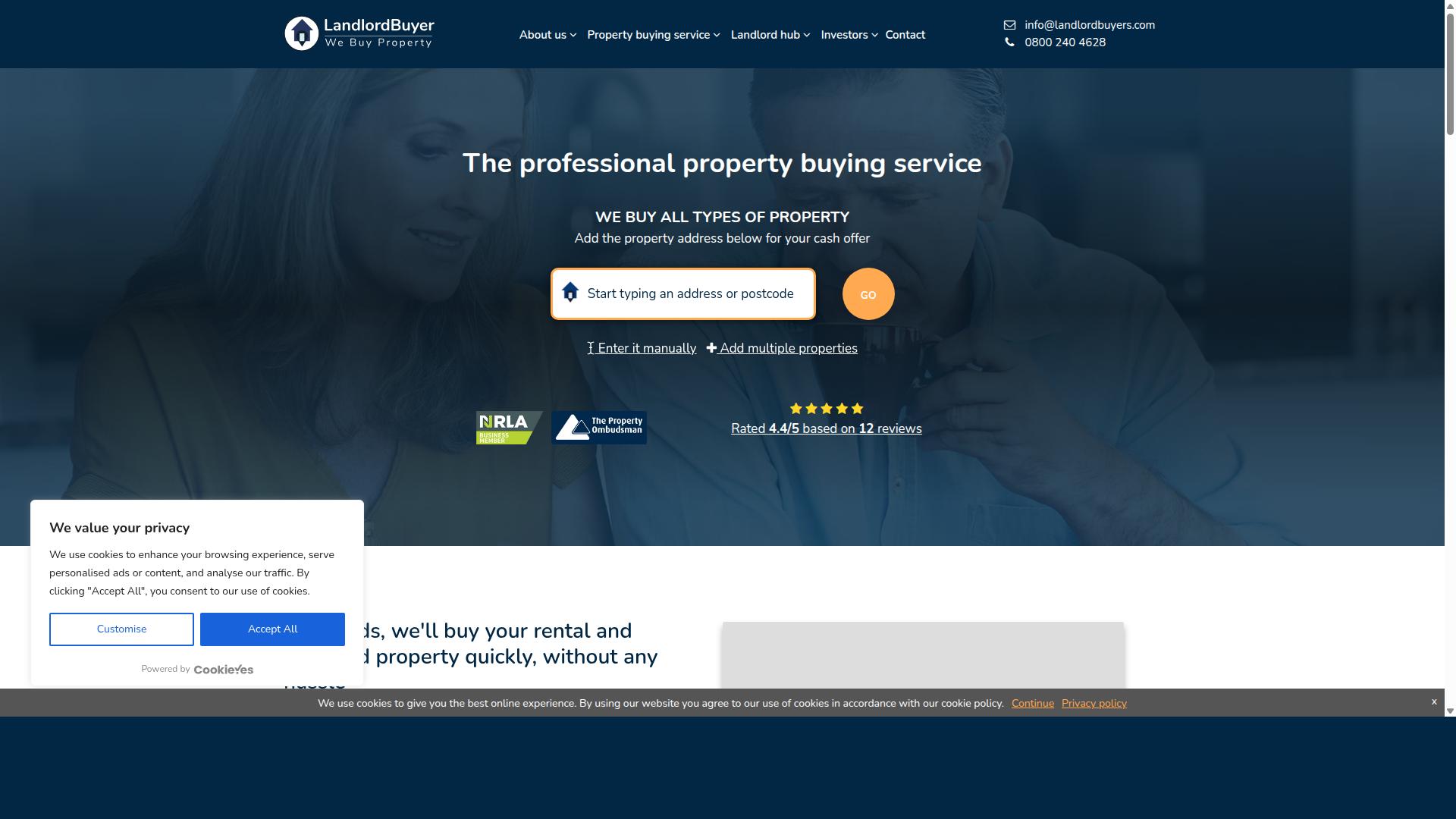
Landlordbuyer is a property buying company that purchases tenanted properties directly from landlords, offering a quick and convenient sale without the need for a traditional estate agent or auction. It is part of a growing category of firms that specialise in buying residential property with a tenant in situ, often called a sitting tenant purchase.
This type of service targets portfolio landlords and buy-to-let owners who want to exit a property investment without waiting for the usual sale process. The company manages the entire transaction, from property valuation to sale completion, which removes much of the administrative burden associated with a conventional listing.
Landlordbuyer typically buys at a discount to the open market value. In return for accepting a lower price, the seller gains speed and certainty, as there is no property chain and no dependence on a buyer securing a mortgage valuation. This structure appeals to landlords who need to sell quickly due to financial pressure, a change in personal circumstances, or a desire to simplify their portfolio.
A key feature of this model is that the property is sold with the tenant still in place. The buying company takes over the tenancy agreement, meaning the landlord does not need to serve a Section 21 notice or pursue tenant eviction to achieve vacant possession. This protects the landlord's rental income until the sale completes and avoids the costs associated with tenant removal.
Landlordbuyer also handles tenant communication throughout the process. This includes informing the tenant about the sale, arranging access for a buyer's survey or valuation, and managing the legal conveyancing steps. For landlords who find tenant interactions time-consuming or stressful, this hands-off approach is a significant practical advantage.
It is worth noting that the discount applied to the purchase price reflects the convenience of the service. Sellers should consider whether the reduced amount is acceptable when weighed against the benefits of a fast, guaranteed sale. For some, the trade-off is worthwhile; for others, exploring a let property marketplace may present a better balance of price and speed.
The company's model is straightforward: a direct sale to a professional buyer who understands tenancy law and tenant rights. This reduces the risk of a sale falling through late in the process, which is a common frustration with traditional buyers. It also eliminates estate agent fees and the uncertainty of auction sale outcomes, where the final price can be unpredictable.
Features Compared
This section breaks down the core features of both services-verification, market reach, and sales process-so you can see which aligns with your priorities. When you sell a tenanted property, these three factors determine how much you receive, how long the sale takes, and whether the deal actually completes.
Each platform takes a fundamentally different approach. Let Property operates as a UK-wide marketplace connecting sellers with multiple property investors, while Landlordbuyer acts as a single direct buyer. Understanding these differences matters before you commit to a sale route.
Pre-Listing Verification and Due Diligence
When selling a tenanted property, a buyer's confidence hinges on the accuracy of the listing-here's how each platform handles pre-sale verification. Let Property pre-checks and verifies every property before it goes live, with essential reports provided upfront. This means buyers can review property condition, legal documents, and other key details before making an offer.
Landlordbuyer conducts internal checks on properties they consider purchasing. However, they do not provide upfront reports to sellers or buyers; instead, they rely on their own surveys during the purchase process. This difference affects buyer trust and transaction speed.
With Let Property, a buyer can review essential documentation before committing, which reduces the risk of surprises later. For example, legal conveyancing and a buyer's survey can proceed faster when key information is already available. This transparency helps build confidence for property investors considering a tenanted property sale.
The practical impact is significant. When a buyer has access to property condition reports and legal documents from the start, they can make faster decisions. This reduces the back-and-forth that often delays estate agent sales and auction sales, where buyers typically commission their own surveys after agreeing to a price.
Market Reach and Listing Volume
A wider market reach can mean a better price, but a direct buyer offers a guaranteed sale-here's how the two compare in exposure. Let Property operates as a UK-wide marketplace with 938 live listings, giving sellers access to a substantial pool of investors seeking buy-to-let opportunities.
Landlordbuyer, by contrast, is a single buyer. There is no market exposure because the sale happens directly between you and them. This certainty can be appealing, but it also means you receive only one offer with no competitive pressure to drive up the price.
Let Property's listing volume works in your favour. A larger audience of portfolio landlords and first-time property investors means more interest in your tenanted property. This can attract more competitive offers, especially for properties with a sitting tenant already generating rental income.
The trade-off is straightforward. A direct sale to Landlordbuyer offers simplicity but limits your ability to achieve market value. A marketplace approach exposes your property to many potential buyers, which research suggests tends to produce better pricing outcomes for sellers.
Sales Process and Buyer Certainty
The sales process determines how quickly you get paid and how likely the sale is to complete-here's how the two differ in buyer certainty. Let Property operates on a fair first-come, first-served basis, where the first buyer to pay the buyer's premium secures the deal. This reduces uncertainty because the sale is locked in once the premium is paid.
Landlordbuyer offers a straightforward process with no property chain, as they are a cash buyer. This can mean a faster completion timeline, particularly if you want to exit quickly. However, you must still navigate tenant rights and notice periods before the sale completes.
Tenant eviction is a critical consideration in any tenanted property sale. If you need vacant possession, the buyer must serve the appropriate legal notice, whether Section 21 or Section 8. These processes take time and must follow the tenancy agreement and deposit protection rules precisely.
Both platforms must respect tenant rights, but Let Property's approach offers a distinct advantage. Properties are offered with tenants already in place for immediate income, which appeals to investors seeking rental yield from day one. This means you can sell with tenant in situ without waiting for eviction proceedings.
Let Property also reports that 97% of customers rate their service as good or excellent, based on 5,882 service ratings in the past year. This track record suggests a reliable process for landlords navigating the complexities of a tenanted property sale.
Pricing Compared
Pricing structures differ significantly: Let Property aims for market value through competition, while Landlordbuyer typically offers a discount for speed and convenience. This core difference shapes the entire financial outcome of a tenanted property sale.
On a marketplace platform, your property is exposed to multiple property investors who bid against each other. This competitive tension often pushes the final offer closer to the true market value, even with a sitting tenant in place.
By contrast, a landlord buyer operates as a direct purchaser. They usually buy at a discount to market value, frequently in the 75% to 85% range, because they are absorbing the hassle of an immediate sale.
What you gain from a marketplace sale. When you sell with tenant in situ through a competitive platform, you avoid the typical discount that a single buyer would demand. The bidding process reflects what multiple investors are willing to pay, which can be substantially higher than a single cash buyer offer.
There may be listing fees or commissions attached to the platform service, but these are often offset by the higher sale price achieved. For a portfolio landlord, the difference between 80% and 95% of market value can represent tens of thousands of pounds.
The true cost of convenience. A quick sale to a direct buyer is undeniably simple, but the discount is effectively a fee for speed. If your property is in good condition and generates strong rental income, that discount could be hard to justify.
However, if you need to exit quickly, face tenant eviction complexities, or want to avoid a property chain, the certainty of a direct sale has its own value.
Additional costs to factor in. Beyond the headline price, both routes carry transaction costs that affect your net return:
- Capital gains tax applies to any profit above your allowance, regardless of the buyer type.
- Legal conveyancing fees are payable in every sale, though some buyers cover their own legal costs.
- Stamp duty is a buyer cost, but a lower sale price means a lower stamp duty bill, which can make a discounted offer more attractive to an investor.
For the seller, the key comparison is not just the offer price, but the net figure after fees, taxes, and any holding costs while the sale completes.
Property condition matters. A well-maintained property with a reliable tenant referencing history will command closer to market value on a marketplace. A property requiring significant repairs may attract lower bids, narrowing the gap between the two options.
Research suggests that investors on marketplaces are often willing to pay a premium for a property with a secure tenancy agreement and consistent rental yield. They value the immediate income stream that a sitting tenant provides.
The valuation question. Before choosing a route, obtain a professional property valuation that reflects the tenanted status. A vacant possession value is typically higher, but you must also factor in the lost rental income during the void period.
An auction sale is another alternative, but it carries uncertainty and buyer's survey risks. A marketplace sale offers more control over the final price while still targeting a faster completion than a traditional estate agent sale.
In most cases, the competitive bidding environment of a marketplace delivers a stronger financial result. The discount offered by a direct buyer is a real cost, one that you should only accept when speed is your absolute priority.
Who Should Choose Let Property
If you're a landlord who values market exposure and the potential for a higher sale price, Let Property is the natural fit. This platform is built for investors who want to sell a tenanted property at market value, not for those chasing a quick exit. You are selling with tenant in situ, which means the property keeps producing rental income right up until the sale completes. Let Property is the right choice if you are not in a rush to sell. The marketplace model connects you directly with buyers who are specifically looking for a tenant in situ purchase. These buyers are typically property investors who understand the value of a sitting tenant and the rental yield that comes with it. They are not looking for vacant possession, so you avoid the hassle of tenant eviction and the lost income that comes with an empty property. Retiring investors are a perfect fit for this approach. If you are looking to liquidate your portfolio and step away from the day-to-day management, selling to another investor makes sense. You hand over the property with the tenancy agreement intact, the deposit protection in order, and the rental income already flowing. The new owner takes over the landlord responsibilities, and you avoid the notice period, Section 21, or Section 8 processes entirely. Investors seeking tenanted properties for monthly cashflow are the core audience on Let Property. These buyers are not looking for a home; they are looking for a buy-to-let asset that performs. This means the property valuation is based on the rental income and yield, not on the emotional appeal that a homeowner might bring. For a portfolio landlord looking to rebalance, this is a strategic advantage. Transparency is a key benefit of this approach. The platform focuses on pre-verified listings, so buyers can trust the information about the property condition and the tenancy details before they commit. This reduces the risk of a buyer's survey throwing up unexpected issues late in the process. For the seller, this means fewer surprises during legal conveyancing and a smoother path to sale completion. If you are a landlord who wants to avoid the uncertainty of an auction sale or the delays of a typical estate agent listing, this direct marketplace approach is worth considering. You are not competing with a property chain or waiting on a cash buyer who might fall through. The buyers on this platform are motivated, and they understand the asset class. The trade-off is time. Selling at market value takes longer than selling to a landlord buyer who makes a quick, discounted offer. But if you can afford to wait, the potential for a better price and a cleaner transaction is significant. For landlords who value control over the sale process and want to maximise their return, Let Property offers a credible, transparent route to market.Who Should Choose Landlordbuyer
If you need to sell quickly, avoid the hassle of listings, and are willing to accept a lower price for certainty, Landlordbuyer is the better option. This service suits landlords facing genuine time pressure. Financial strain, a looming mortgage deadline, or simply being tired of managing a buy-to-let can all make a fast exit feel essential.
The main appeal is the elimination of uncertainty. Landlordbuyer typically acts as a cash buyer, which removes the risk of a property chain collapsing. You also skip the unpredictable timeline of marketing your tenanted property through an estate agent. For a portfolio landlord who wants to reduce stress, this direct approach offers a clear, fixed path to sale completion.
However, this convenience comes at a cost. Sellers using this route usually accept a price below the open market value. You are trading the potential for a higher offer from a buyer seeking vacant possession for the speed of a guaranteed transaction. If your priority is liquidity over profit, and you have no interest in waiting for a buyer's survey or mortgage valuation, this model works well.
This option is rarely suitable for those who can afford to wait. If you are not under immediate pressure and want to maximise your capital gains tax position or rental yield, a slower process might serve you better. But for a landlord who values certainty over the final figure, the speed and simplicity are often worth the financial trade-off.
Final Verdict
Ultimately, the right choice depends on your priorities: Let Property offers market-driven pricing and transparency, while Landlordbuyer delivers speed and convenience. For landlords selling a tenanted property, the decision usually comes down to what matters more, the final sale price or the speed of completion.
Landlordbuyer suits those needing a quick, guaranteed sale with minimal fuss. They typically buy properties directly, which can bypass the uncertainty of estate agents and the risk of a property chain collapsing. If you need to sell with tenant in situ urgently and cannot wait for a buyer's survey or mortgage valuation, a direct buyer may be the practical route.
However, this convenience often comes at a cost. Direct buyers typically expect a discount below the true market value because they are taking on the property as an investment. For a portfolio landlord looking to maximise capital, this reduction in sale price can be significant.
Let Property takes a different approach. As an online marketplace, it connects you with a wide network of property investors who are actively seeking tenanted properties. This competitive environment helps you achieve closer to the full market value, rather than accepting a discounted offer from a single buyer.
Let Property's unique selling points make it stand out for the serious seller. The platform features pre-verified listings, ensuring that only genuine, qualified buyers can view your property. This saves you time and reduces the risk of dealing with time-wasters. Furthermore, the platform operates on a first-come-first-served basis, allowing you to move quickly when the right offer arrives.
With a UK-wide reach, Let Property helps you tap into the entire national investor market. This is particularly useful if your property is in a region where local demand is limited. Instead of relying on a single local auction sale or estate agent, you gain exposure to buyers across the country.
For landlords who prioritise rental income continuity and a smooth transition, selling to an investor who understands tenant rights and the tenancy agreement is vital. Let Property connects you with buyers who are familiar with buying a property with a sitting tenant, reducing the risk of complications during legal conveyancing.
If you are weighing up your options and want to learn more about selling your tenanted property at market value, the team at Let Property is ready to help. You can reach them by phone on 0141 674 1833 for sales enquiries, or email [email protected]. Their offices are located at First Floor, Curated House, 90 Mitchell St, Glasgow City Centre, G1 3LN, with an additional office at Laser House, Media Village, Waterfront Quay, The Quays, Salford M50 3XW. Lines are open from 09:00 to 15:00.
Frequently Asked Questions
How does the buying process differ between Landlordbuyer and Let Property?
Landlordbuyer operates as a direct buyer, making an immediate offer to purchase your tenanted property outright. Let Property, by contrast, is an online marketplace where your property is listed alongside 938 other live UK listings for vetted investors to view. With Let Property, you retain control over the sale price rather than accepting a single offer, and the first investor to pay the buyer's premium secures the deal on a fair, first-come, first-served basis.
Which service is better if I want to sell my tenanted property quickly?
If speed is your absolute priority and you're willing to accept a direct offer, Landlordbuyer's model is designed for that immediate sale. However, Let Property is also a fast route to market because every listing is pre-checked and verified with essential reports provided upfront, so serious investors can move quickly without repeated due diligence. The actual time to completion with Let Property depends on the investor, but the marketplace removes the typical delays caused by unverified listings.
Will I get a better price using Let Property's marketplace or selling directly to Landlordbuyer?
Generally, a marketplace like Let Property gives you the potential for a higher price because multiple investors compete for your property, and you're not limited to a single buyer's offer. Landlordbuyer's direct-purchase model typically prices in the convenience and speed they offer, which may result in a lower headline figure. That said, the right choice depends on your priorities-maximising price versus securing an immediate, hassle-free sale.
What kind of properties can I sell through each service?
Landlordbuyer states they will make an immediate offer for any type of rented property, which is broad and convenient. Let Property also handles a wide range of property types, including Detached, Semi-Detached, Terraced, Flats, Bungalows, Land, Commercial, Portfolios, and HMOs, so both are flexible. With Let Property, you also benefit from having your property visible to a large pool of pre-qualified investors specifically seeking tenanted investments.
How transparent is the selling process with Let Property compared to Landlordbuyer?
Let Property is built on transparency: every property is pre-checked and verified with essential reports provided upfront, so you and potential buyers know exactly what's included from day one. Landlordbuyer's process is straightforward-they make an offer and handle the sale-but you won't see competing bids or market interest. With Let Property, you also get the reassurance that 97% of customers rate the service as good or excellent, reflecting a clear and trusted process.
Which option is better for a retiring landlord looking for monthly cashflow?
If you're retiring and want to exit entirely, Landlordbuyer's direct sale gives you a clean break with one transaction. If you're retiring but want to retain some income, Let Property is specifically designed for this-it helps retiring investors generate monthly cashflow by selling tenanted properties to new investors who continue the rental income. Let Property's mission is to support this exact transition, and with testimonials reporting yields from 1% to 17.7%, it's a proven route for ongoing returns.
Recommended Resources: