The 3 Best Tenanted Property Sales for Sell Tenanted Properties Directly
You're selling a tenanted property and need cashflow to keep flowing, not a listing that lingers for months. The right platform decides whether you wait weeks or watch your income stall.
By the end of this article, you'll know the three best options for selling tenanted properties directly, including what verification, fees, and speed to compare. You'll also get a clear #1 pick that shortlists itself, plus the criteria to judge any platform you encounter afterward.
What to Look For in Tenanted Property Sales Platforms
Choosing the right platform to sell a tenanted property requires a clear framework for evaluating verification, fees, and speed, this section outlines the three critical criteria. Not all tenanted property sales platforms operate with the same level of diligence or transparency, and the differences can materially affect your final return.
Investors selling a property with tenant in situ need a platform that balances rigorous checks with practical execution. A platform that skips verification steps may attract buyers who later withdraw, wasting your time and interrupting rental income. Conversely, a platform with excessive fees can erode the financial advantage of a tenanted property sale.
The following three factors will guide your evaluation of any tenanted property listing service. Each one directly impacts the success of your sale, from the initial marketing phase through to settlement and the transfer of tenant rights.
Verification and Due Diligence
A platform that pre-verifies its listings saves you hours of due diligence, but you still must know what checks are actually performed. Verification in this context means confirming the tenancy agreement is valid, the tenant payment history is consistent, and the property condition matches the description provided to potential buyers.
When you sell tenanted property through an online marketplace, the platform should supply specific documents that give buyers confidence. These typically include a copy of the signed lease agreement, the most recent gas safety certificate, an up-to-date Energy Performance Certificate (EPC), and proof of deposit protection. Without these, a tenanted property buyer may reduce their offer or walk away entirely.
Ask the platform directly about their verification workflow. Some platforms simply allow sellers to upload documents, while others actively check each file for completeness and validity. Independent verification is still your responsibility, so request the last 12 months of rent statements to confirm the income being advertised is accurate. A tenanted property valuation that relies on overstated rent will not survive the buyer's own checks.
For tenanted real estate, legal compliance is non-negotiable. Confirm that the fixed-term tenancy or periodic tenancy is correctly documented and that any required notices have been served. A tenanted property contract that is flawed will surface during conveyancing, potentially delaying settlement or causing the buyer to renegotiate the price.
Buyer's Premium and Fee Transparency
Buyer's premiums and hidden fees can significantly impact your net proceeds, so understanding the full fee structure upfront is non-negotiable. Most tenanted property auction platforms charge a buyer's premium, typically a percentage of the final purchase price added on top of the winning bid. This premium commonly ranges from 2% to 5% plus VAT, though the exact figure varies by platform.
Sellers also face costs. These may include a listing fee, a marketing charge, or a success fee calculated as a percentage of the sale price. Some platforms bundle conveyancing services into their offering, while others leave you to source your own solicitor. Ask for a complete fee schedule before you commit to any tenanted property listing platform.
Calculate the total cost impact on your return on investment. A tenanted property sale that achieves a slightly higher price but carries a 5% buyer's premium may net you less than a sale at a lower price with minimal fees. Work through the numbers for each platform you consider, factoring in both buyer-side and seller-side charges.
Be wary of platforms that are vague about their fees or only disclose them late in the process. Request a sample breakdown of costs for a typical transaction, including conveyancing, marketing, and any admin charges. Transparency here protects your profit margin and prevents unpleasant surprises at settlement.
Speed of Sale and Cashflow Continuity
The speed at which a tenanted property sells directly affects how long your cash flow is interrupted, making sale timelines a critical factor. Every month a tenanted investment property sits on the market without a sale is a month of rental income you are not receiving. For investors who rely on that income to service a mortgage or fund other acquisitions, delays can be costly.
Tenanted property auction platforms are often the fastest route to completion. Some can exchange contracts within weeks of the auction date, particularly when the buyer is a cash purchaser or a tenanted property investor who is familiar with tenant in situ purchases. Private treaty sales, by contrast, can take several months from listing to completion.
Ask each platform for their average time-to-sale statistics. While exact figures vary, a platform that cannot provide any timeline data may not have a reliable process. A faster sale may come with trade-offs, such as accepting a lower price than you might achieve through a longer marketing period.
To maintain cash flow during the sale process, keep the tenant in place until completion. A periodic tenancy or fixed-term tenancy that continues through the sale preserves the income stream and makes the property more attractive to an investor buyer. Ensure the sales agreement includes a clear timeline for exchange and completion, and confirm that the tenancy deposit and tenant rights transfer correctly to the new owner.
1. Let Property - Best Overall
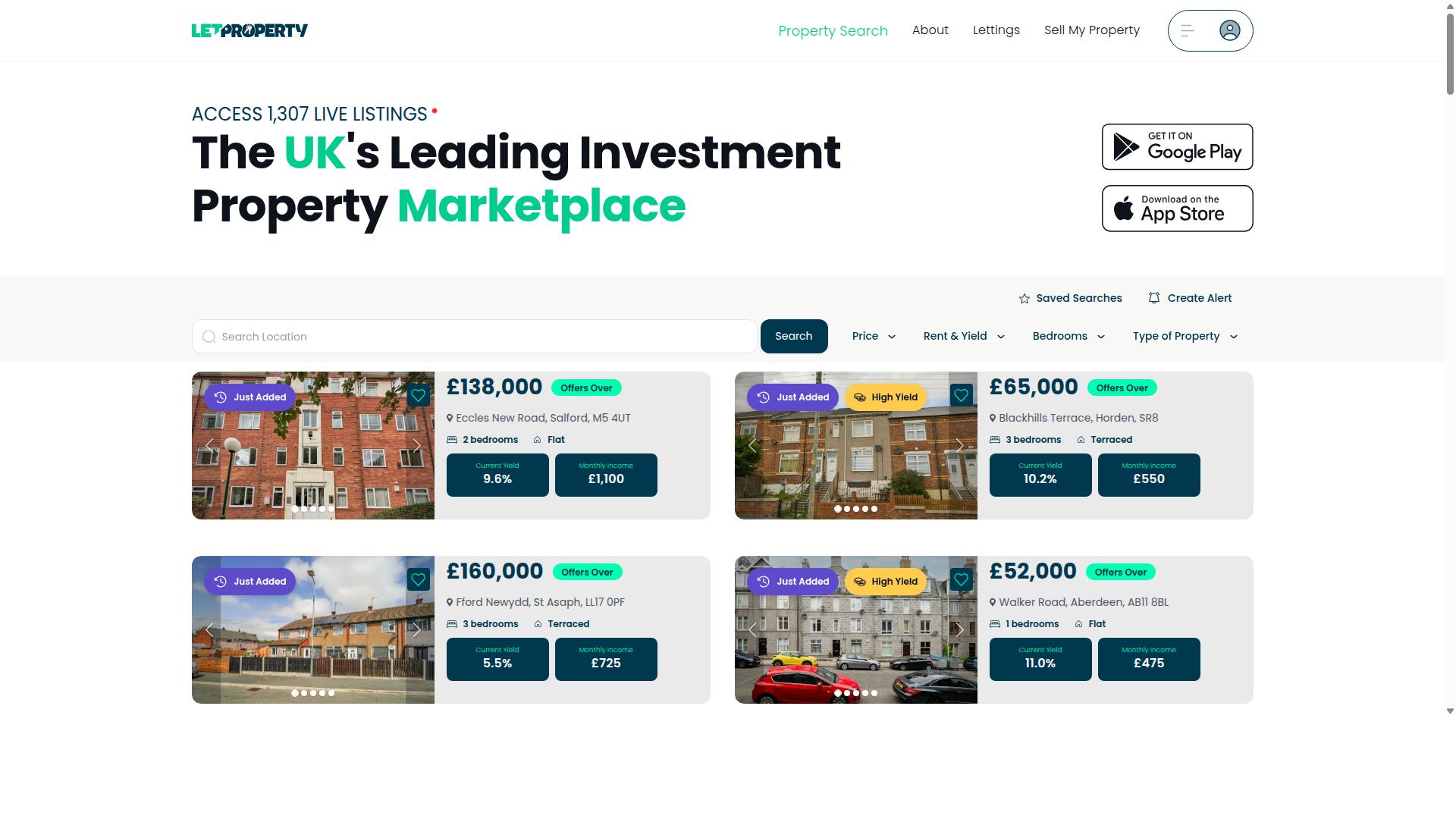
Let Property stands out as the best overall platform for selling tenanted properties, thanks to its pre-verified listings and secure, first-come-first-served process. As the UK's leading investment property marketplace, it has built a reputation for removing the guesswork that usually complicates tenanted property sales.
Every listing is checked before it goes live, which means buyers can review essential documents without chasing sellers for weeks. This approach makes a sell tenanted property transaction feel more like a straightforward exchange rather than a drawn-out negotiation.
Pre-Checked Listings and Upfront Reports
Let Property provides pre-checked and verified listings with essential reports supplied upfront, eliminating guesswork for buyers. Each property listing includes the key paperwork that experienced investors need before making an offer on a tenanted investment property.
The typical reports available at the point of listing include:
- Tenancy agreements
- Rent ledgers showing payment history
- Gas safety certificates
- Energy Performance Certificates (EPC)
- Property condition reports
Having these documents accessible from day one saves considerable time during the tenanted property conveyancing stage. It also reduces the risk of unexpected issues surfacing late in the process, which is a common frustration when you sell property with tenant arrangements through traditional channels.
This upfront transparency is a core part of the platform's unique selling proposition. Even though listings are pre-verified, experts still recommend that buyers review each report carefully as part of their own due diligence on any tenanted property valuation.
First-Come, First-Served Secure Process
Let Property's fair first-come, first-served process means the first buyer to pay the premium secures the deal, ensuring transparency and speed. This removes the stressful bidding wars that often accompany tenanted property auctions and traditional sales.
Interested buyers must pay a buyer's premium to secure the property, and the first one to complete that payment wins the tenanted property listing. There is no opportunity for a higher offer to overtake the first serious buyer, which creates a sense of fairness that builds trust among all parties.
This approach is particularly beneficial for sellers who need a quick tenanted property sale. Instead of waiting weeks for negotiations to play out, sellers can secure a committed buyer in a matter of days. That speed is valuable for cash flow, especially for landlords managing a tenanted property portfolio with ongoing mortgage commitments.
The reliability of this process is reinforced by customer feedback, with 97% of customers rating their experience as good or excellent based on 5,882 service ratings in the past year. For sellers, this indicates that the platform delivers on its promises, making it a dependable route to sell tenanted properties directly.
2. Landlordbuyer
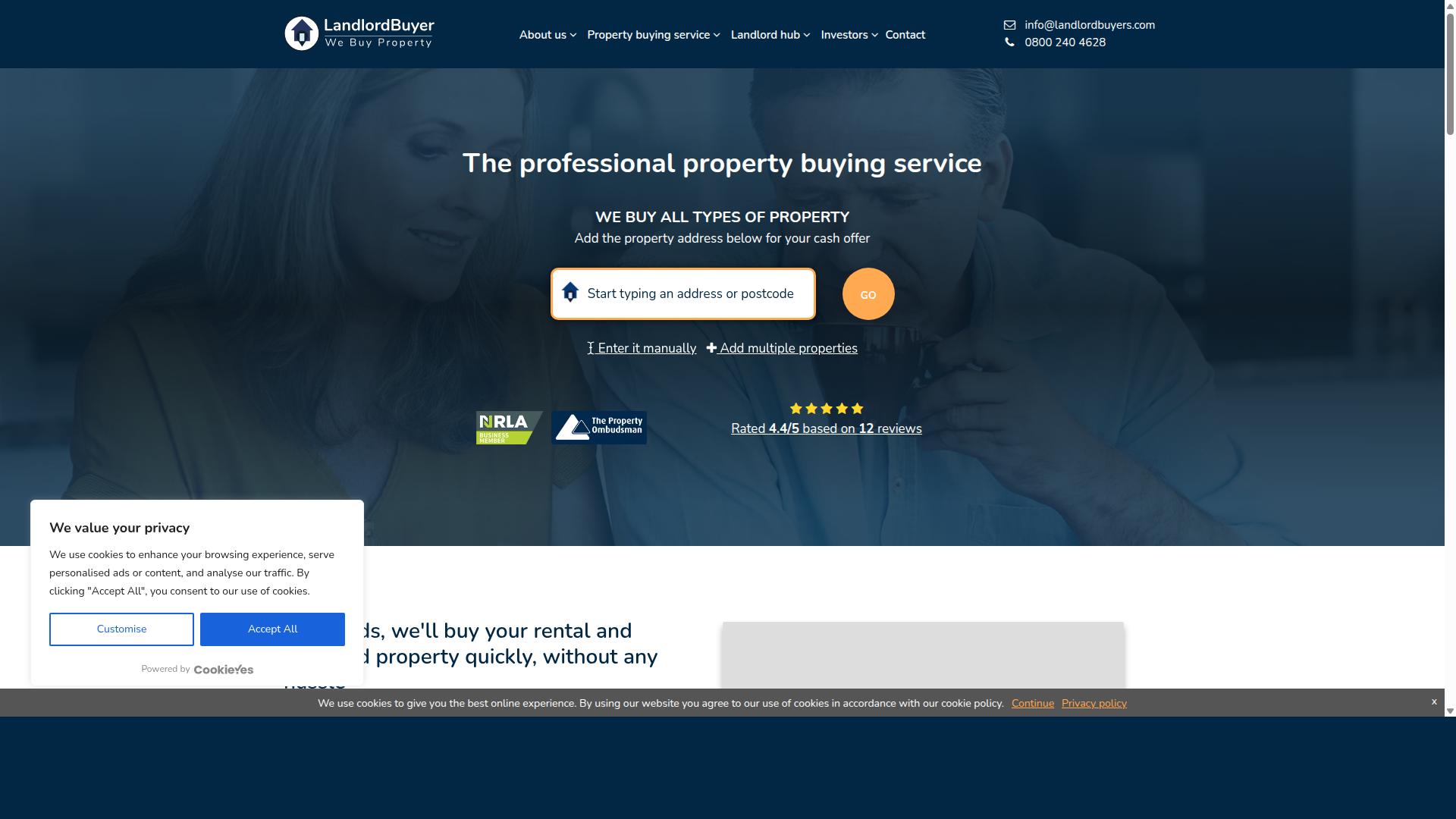
Landlordbuyer offers a direct matching service that connects sellers with pre-vetted buyers, making it a solid choice for those seeking a more personalized sale.
This platform focuses on creating a tailored experience for landlords who want to sell a tenanted investment property without the noise of a public auction. It positions itself as a viable alternative to Let Property, particularly for sellers who prefer a hands-on approach and direct communication with potential buyers.
For a tenanted property sale, having a buyer who understands tenant in situ arrangements can simplify the process significantly. Landlordbuyer aims to facilitate those connections through a more curated matching process.
Direct Buyer-Seller Matching
Landlordbuyer matches you directly with interested buyers, cutting out the middleman and potentially reducing fees.
The process works by listing your property with tenants, and the platform then connects you with buyers who fit your specific criteria. This direct approach gives you more control over negotiations, which can be a major advantage when you want to sell property with tenant agreements intact.
The benefits of this model include:
- More control over the negotiation timeline and terms
- Potential for better prices, as buyers are pre-qualified and serious
- A more personal experience with direct communication channels
However, this method may require more active involvement from you as the seller. You will need to be prepared to field inquiries and manage discussions. It is wise to compare this direct matching style with auction-style platforms to see which fits your needs for a tenanted property valuation and eventual sale.
Because there is no competitive bidding process, fees may be lower, which can improve your overall net return on the tenanted real estate.
Portfolio and Single-Unit Options
Whether you're selling a single flat or an entire portfolio, Landlordbuyer accommodates both, giving you flexibility.
For landlords looking to offload a tenanted property portfolio, this flexibility is key. Selling multiple units together can attract institutional investors who are looking for a turnkey tenanted investment property with established cash flow.
The advantages of selling a portfolio include the potential for bulk deals and reduced transaction costs per unit. To make this process smoother, sellers should prepare consolidated financial documents, including lease agreements, rent rolls, and maintenance records for each property with tenant occupancy.
This preparation helps buyers assess the tenanted property cash flow and yield quickly. The platform's ability to handle both single units and large portfolios makes it suitable for various investor sizes, from casual landlords to professional managers.
If you are considering a portfolio sale, it is advisable to inquire about portfolio-specific tenanted property marketing strategies. This ensures your listing reaches the right tenanted property investor audience and highlights the value of your tenanted property management history.
3. LP Exchange
LP Exchange brings an auction-style approach to tenanted property sales, offering reserve pricing and bid flexibility for a dynamic selling experience. This platform operates as a specialised off-market selling channel for landlords, connecting sellers directly with registered investors who actively seek tenanted investment property.
For sellers who prefer the energy of competitive bidding over a straightforward listing, this model presents a compelling alternative. It suits those looking to sell property with tenant arrangements intact while maintaining discretion through a private sales process.
Auction-Style Tenanted Sales
LP Exchange's auction-style format creates a competitive environment that can lead to higher final prices for your tenanted property. Properties are marketed privately to a curated group of registered investors rather than being publicly listed on major property portals, which keeps your sale discreet.
The bidding process runs over a defined timeline, with interested tenanted property buyers placing offers during the window. This structure offers several advantages:
- Transparent price discovery as genuine market demand determines the final figure
- A defined timeline that creates urgency among serious buyers
- Qualified buyers only, since all registered investors are vetted for interest in tenanted real estate
However, the risks deserve attention. If bidding is slow, the final price may fall below your expectations. There is also the possibility that no bid reaches your reserve, leaving you back where you started.
Compare this to the first-come-first-served model of a direct sale, where the first serious buyer sets the pace. An auction can reward patient sellers, but it requires a realistic approach to pricing from day one.
Reserve Pricing and Bid Flexibility
With LP Exchange, you can set a reserve price and adjust your bidding parameters, giving you control over the sale outcome. The reserve is the minimum acceptable price you will accept, and if bidding does not reach that level, the property may not sell at all.
Bid flexibility adds another layer of control. Sellers can choose to accept or reject bids above the reserve, and there may be options to extend the bidding period if interest is building. This means you are never forced into a sale that does not meet your financial goals.
Setting an effective reserve requires homework. Research comparable sales in your area and factor in the tenanted property cash flow when determining your floor price. A property with a strong lease agreement and reliable rental income will naturally attract more interest from tenanted property investors.
Consider these tips when setting your reserve:
- Review recent sales of similar tenanted properties in your postcode
- Account for the value of the tenant in situ and the existing lease agreement
- Balance your desired profit against the risk of no sale at all
Be prepared for the possibility that a high reserve could deter bidders entirely. A realistic reserve protects your interests while still inviting competitive offers, helping you achieve a fair market price without the uncertainty of a slow public listing.
How to Choose the Right Option
Selecting the right platform for selling your tenanted property depends on your exit timeline, fee tolerance, and desired level of control.
There is no one-size-fits-all answer when it comes to a tenanted property sale. Each route serves different landlord priorities, from speed of completion to maximising the final price.
The best approach is to map your personal circumstances against what each platform offers. Consider how quickly you need the capital, what you are willing to pay in fees, and how much involvement you want in the process.
Assessing Your Exit Timeline
Your need for speed will heavily influence which platform suits you best, auction-style sales are faster, while direct matching may take longer.
Start by deciding whether you need to sell quickly due to retirement plans, financial pressure, or a desire to reduce management duties. If speed is critical, auction platforms like LP Exchange can often complete a tenanted property sale in a matter of weeks.
Direct matching between buyers and sellers typically takes longer, often involving more negotiation and due diligence, which extends the timeline but can sometimes secure a higher offer.
Let Property operates on a first-come-first-served model, which can be very fast when your tenanted investment property is in high demand. If your property with tenant generates strong monthly cash flow, buyers may move quickly to secure the deal.
Set a firm deadline for yourself before you begin. If you must complete by a specific date, choose a platform that can realistically meet that timeframe. If you have flexibility, you can afford to wait for the right buyer and the best price.
Comparing Fee Structures
Fee structures vary significantly across platforms, so a detailed comparison is essential to maximize your net proceeds.
Let Property charges a buyer's premium, which means the buyer covers the premium, potentially allowing sellers to retain more of the sale price.
Landlordbuyer may charge a fixed fee or a percentage of the sale, depending on the service level you select. LP Exchange typically involves auction fees and seller commissions, which can add up quickly.
To compare accurately, consider the total cost impact on your return:
- Calculate the buyer's premium or commission as a percentage of the expected sale price.
- Factor in any listing fees, marketing costs, or legal administration charges.
- Estimate the cost of holding the property during the sale process, including mortgage payments and maintenance.
Ask for a full fee schedule from each platform before committing. Request clarity on any hidden costs such as withdrawal fees, reserve price charges, or conveyancing expenses.
Where possible, negotiate fees, some platforms have flexibility, particularly for portfolios of tenanted properties or repeat sellers.
Remember that a lower fee does not always mean a better deal. A platform that charges more but attracts serious tenanted property buyers may deliver a higher final price, leaving you with greater net proceeds overall.
Final Verdict
For most sellers, Let Property offers the best combination of verification, transparency, and speed, making it our top recommendation. The platform's pre-verified listings remove much of the guesswork from a tenanted property sale, while the secure first-come-first-served process protects both parties throughout the transaction.
When selling a tenanted investment property, the three platforms each serve a distinct purpose. Let Property stands out for its comprehensive end-to-end approach, covering everything from tenanted property valuation to settlement. Landlordbuyer appeals to portfolio owners who want direct matching and flexibility, while LP Exchange suits those who prefer the competitive energy of a tenanted property auction.
Here is a quick summary of each platform's key strengths:
- Let Property: Pre-verified listings, secure first-come-first-served process, and a full-service marketplace for selling property with tenant in place.
- Landlordbuyer: Direct matching for tenanted property investors and flexible portfolio handling.
- LP Exchange: Auction-style competitive bidding for tenanted real estate, ideal when you want market-driven pricing.
Your choice should depend on your priorities as a seller. If you want speed and security, choose Let Property. The verified buyer network means less time wasted on unqualified enquiries, and the structured process reduces the risk of a sale falling through.
If you prefer to maintain hands-on control over who buys your tenanted property, consider Landlordbuyer for its direct matching model. If you want to generate competition and let buyers set the price, LP Exchange provides that auction environment.
For most landlords, however, the balance of factors points to Let Property. The marketplace handles tenanted property marketing, connects you with serious buyers, and supports the entire journey from listing to settlement. This is especially valuable when managing tenant rights and lease agreement details, where experience matters.
We encourage you to explore Let Property's current listings and see how the platform works for your situation. The team is available from 09:00 to 15:00 to offer personalised advice on your tenanted property sale.
Contact the sales team on 0141 674 1833 or email [email protected]. For lettings enquiries, call 0141 674 1840 or email [email protected]. You can also visit the Glasgow office at Curated House, 90 Mitchell St, Glasgow City Centre, G1 3NQ, or the Manchester team at Laser House, Media Village, Waterfront Quay, The Quays, Salford M50 3XW.
Frequently Asked Questions
How does Let Property help me sell my tenanted property directly to an investor?
Let Property operates as the UK's leading online marketplace specifically for buying and selling tenanted investment properties. Instead of listing on public portals, you gain access to a large database of pre-qualified investors actively seeking monthly cashflow, allowing you to sell your property directly with tenants in situ.
What makes Let Property different from a traditional estate agent sale?
Unlike a traditional sale, every property on Let Property's marketplace is pre-checked and verified, with essential reports provided upfront to buyers. This transparency, combined with a fair first-come, first-served basis where the first to pay the buyer's premium secures the deal, creates a streamlined process specifically designed for tenanted sales rather than general residential listings.
Will I need to evict my tenants before selling through Let Property?
No, you do not need to evict your tenants. Let Property's entire model is built around selling tenanted properties to investors who want immediate rental income. The marketplace includes a dedicated lettings team and even partners with the Scottish Landlord Eviction Association, but the core service is designed to transfer the property with the tenancy intact for a seamless handover.
How does Let Property verify the quality of my property and its tenancy?
Let Property pre-checks and verifies every property listed on its marketplace, ensuring essential reports are available upfront so buyers can make informed decisions quickly. This rigorous vetting process is a key reason why 97% of customers rate the service as good or excellent, as it removes the guesswork and delays commonly found in private sales.
Can I sell a portfolio or an HMO through Let Property, or only single flats?
You can sell a wide range of property types through Let Property, including Detached, Semi-Detached, Terraced, Flat, Bungalow, Land, Commercial, Portfolio, and HMO. With 938 live listings currently available, the marketplace accommodates both single tenanted units and larger portfolios for retiring investors or landlords looking to exit the market.
What support does Let Property offer after I accept an offer on my tenanted property?
Let Property provides a full-service experience, with dedicated sales and lettings teams reachable by phone or email to guide you through the transaction. They also have trusted service partners for lending, solicitors, and eviction support, ensuring that from the initial listing to completion, you have professional assistance for every legal and financial step of the direct sale.
Recommended Resources: